Supporting Mental and Emotional Health in Young Children

Recognizing Feelings, Building Coping Skills, and Knowing When to Seek Help
When we talk about children’s health, we often think about doctor visits, vaccines, and nutrition. But mental and emotional health matters just as much, especially in the early years.
As a Community Engagement Officer, I spend a lot of time with families, educators, and caregivers. One thing I hear often is concern about big emotions in young children. Tantrums. Worry. Shyness. Anger. Sadness.
I want parents to know this. Having big feelings is a normal part of growing up. Our role is not to stop emotions, but to help children understand them and learn healthy ways to cope.

Young Children Have Big Feelings Too
Children experience stress, fear, excitement, and frustration just like adults. The difference is that they are still learning how to name those feelings and what to do with them.
A young child may not say, “I feel overwhelmed.” Instead, they might cry, shut down, act out, or become very quiet. These behaviors are often signals, not problems.
When we slow down and look beneath the behavior, we can better support what the child is really experiencing.
Helping Children Name Their Feelings
One of the most powerful tools we can give children is language for their emotions.
You can help by:
Naming feelings as they happen, such as happy, mad, scared, or sad
Letting children know all feelings are okay, even when certain behaviors are not
Sharing your own feelings in simple ways, like “I feel frustrated, so I am taking a deep breath.”
When children learn the words for their emotions, they feel seen and understood. This builds trust and emotional awareness.
Building Coping Skills Through Everyday Moments
Coping skills are tools children use to calm their bodies and minds. These skills develop over time and through practice.
Simple coping strategies for young children include:
Taking slow, deep breaths together
Using words instead of hitting or yelling
Having a quiet space to calm down
Drawing, playing, or moving their bodies
Children learn coping skills best when adults model them. When we stay calm and show healthy ways to manage stress, children learn by watching us.
Routines Create Emotional Safety
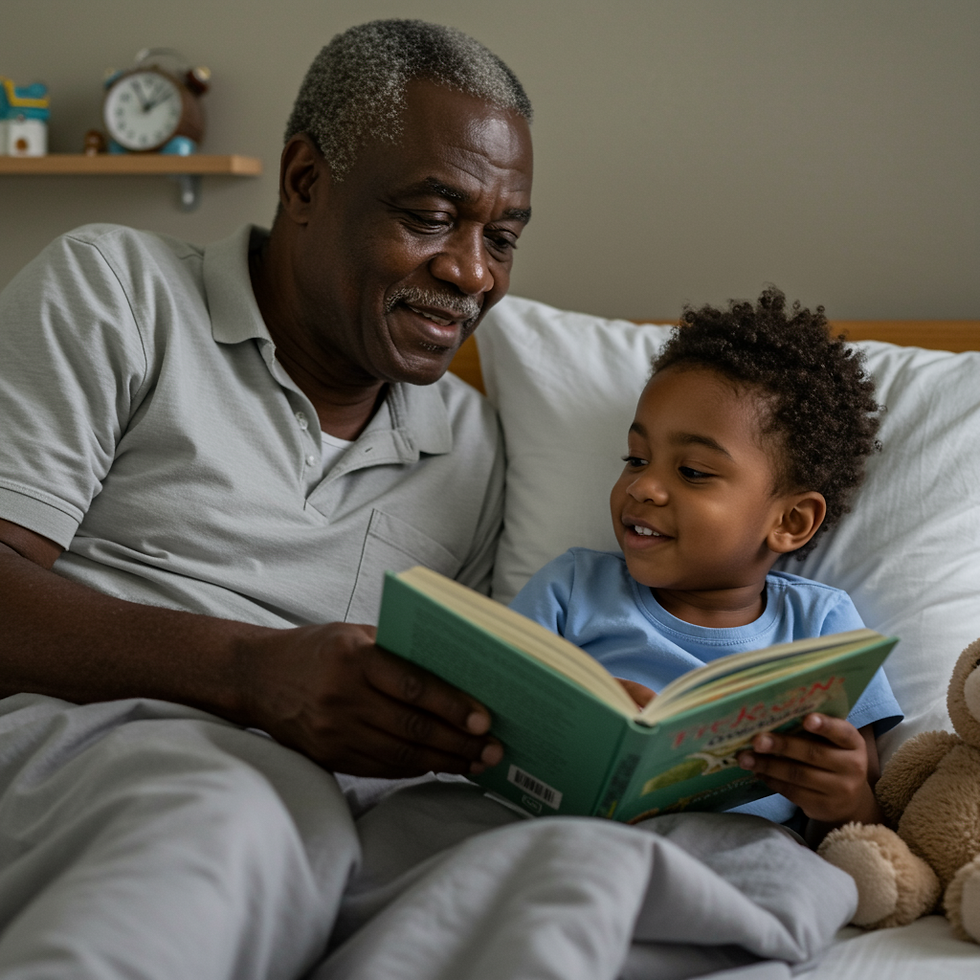
Predictable routines help children feel secure. When children know what to expect, their nervous systems can relax.
Helpful routines might include:
Regular meal and bedtime schedules
Reading or talking together before bed
Consistent drop-off and pick-up routines
Daily check-ins about how the day went
These small moments of connection build emotional strength over time.
Knowing When to Ask for Extra Support
Every child develops differently, but there are times when extra support can be helpful.
You may want to reach out for guidance if a child:
Seems sad, anxious, or withdrawn for long periods
Has frequent, intense emotional outbursts
Struggles to sleep or eat due to stress
Shows changes in behavior that worry you
Reaching out for help does not mean something is wrong with your child; you are attentive, proactive, and advocating for their well-being.
Trusted supports may include pediatric providers, early childhood programs, counselors, or community-based services.
You Are Not Alone in Supporting Your Child
At BCDI Ohio, we believe children thrive when families are supported. Mental and emotional health is not about being perfect. It is about connection, patience, and care.
Your presence matters. Your listening matters. And your willingness to support your child’s emotional world makes a lasting difference.
If you would like to explore family-friendly resources or learn more about mental and emotional health supports, visit bcdiohio.org and our Family Resource Hub.
Together, we can help children grow not only healthy, but whole.


Comments